EN
EN  EN
EN DA
DA NL
NL FI
FI FR
FR DE
DE IT
IT JA
JA KO
KO NO
NO PL
PL PT
PT RO
RO RU
RU ES
ES SV
SV TL
TL ID
ID SK
SK UK
UK VI
VI TH
TH TR
TR FA
FA BE
BE LA
LA UZ
UZ nrov News
Pyrolytic Graphite yog dab tsi?
2025-11-28

Ⅰ. What is a graphite susceptor?
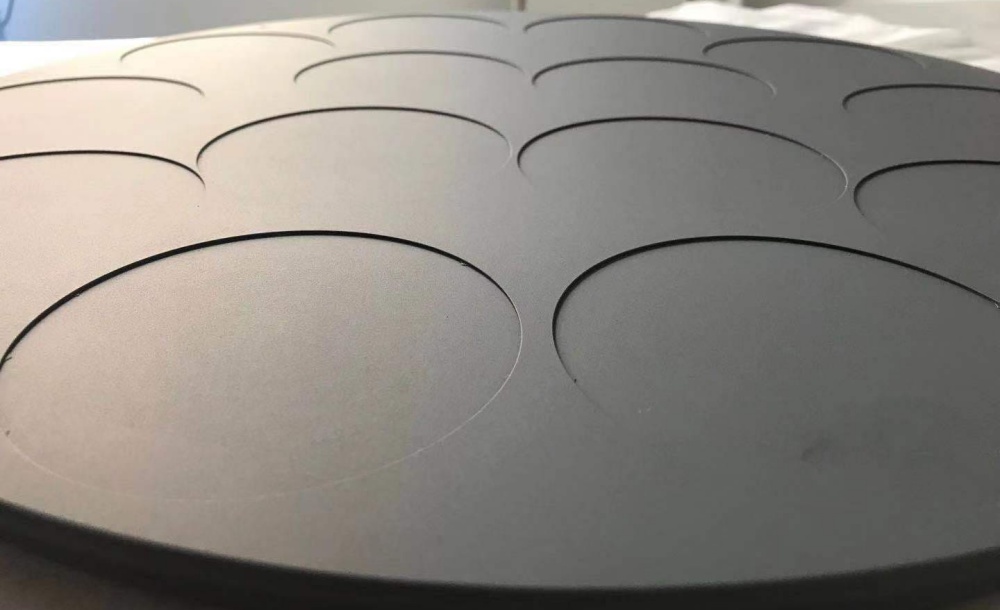
A graphite susceptor is a key component used in high-temperature industrial processes, designed to absorb electromagnetic energy (e.g., radio frequency or microwave radiation) and convert it into heat. It acts as a heating element or heat conductor, creating a controlled, uniform temperature environment for the processed material.
Ntsiab Nta:
Material: Made of high-purity graphite or graphite coated with refractory materials (e.g., SiC, TaC).
Function: Effectively converts energy into heat while resisting thermal shock and chemical corrosion.
Design: Typically shaped as plates, disks, or custom geometries to meet specific equipment requirements.
Ⅱ. What are graphite susceptors used for?
Semixlab graphite susceptors are indispensable in advanced semiconductor and material manufacturing. Here are their main applications:
1. Epitaxial Growth (EPI)
Silicon Epitaxy:
Graphite susceptors are primarily used in chemical vapor deposition (CVD) reactors to grow single-crystalline silicon layers on silicon wafers. The susceptor ensures uniform heating, enabling precise control of layer thickness and doping.
Gallium Nitride (GaN) Epitaxy:
Critical for the production of GaN-based devices (e.g., LEDs, power electronics). Graphite susceptors withstand the high temperatures (>1,000°C) required for GaN growth in MOCVD (Metal Organic Chemical Vapor Deposition) systems.
2. MOCVD (Metal Organic CVD)
In GaN, GaAs, or InP device manufacturing, graphite susceptors provide stable heating for decomposing metal organic precursors and depositing thin films on substrates.
3. Rapid Thermal Processing (RTP)
Used for annealing, oxidation, or dopant activation steps. The rapid heating/cooling capabilities of the susceptor minimize the thermal budget, which is critical for advanced CMOS and memory device manufacturing.
4. Lwm Cov Kev Siv
SiC Crystal Growth: High purity graphite susceptors are used in sublimation furnaces for SiC ingot growth.
Diamond Synthesis: Provides the high temperature environment required for CVD diamond production.
III. Performance Differences Between Graphite Susceptor Types
Graphite susceptors are modified with coatings that improve their performance in specific environments. Here is a comparison:
Daim Ntawv Thov
High-purity graphite:
For use in inert gases (e.g., Si epitaxy, diamond synthesis).
Low-cost option for processes without corrosive gases.
SiC-coated graphite:
For MOCVD for GaAs or LED production (resistant to plasma etching and HCl byproducts).
RTP in oxygen-containing environments.
TaC-coated graphite:
GaN MOCVD: resistant to Cl₂-based precursors and high temperatures.
SiC epitaxy: resistant to Si vapor corrosion during sublimation growth.
Ⅳ. Why is surface coating important?
SiC coating: adds a protective barrier against oxidation and chemical attack, extending susceptor life in reactive gas environments.
TaC coating: provides excellent stability in halogen-rich environments (common to GaN and SiC processes), preventing graphite corrosion and contamination.