EN
EN  EN
EN DA
DA NL
NL FI
FI FR
FR DE
DE IT
IT JA
JA KO
KO NO
NO PL
PL PT
PT RO
RO RU
RU ES
ES SV
SV TL
TL ID
ID SK
SK UK
UK VI
VI TH
TH TR
TR FA
FA BE
BE LA
LA UZ
UZ
In rapid thermal processing (RTP), the chamber materials really matter. They can either help the process work well or cause problems with quality. Two of the most common options are solid silicon carbide (SiC) and graphite. Both materials handle extreme heat, but they behave very differently in real-world use. Choosing the right one depends on a few things. It depends on how clean the area needs to be, how long the parts should last, and how even the heat needs to be. In this article, we’ll compare solid SiC and graphite side by side. This will help you see which one is better for your RTP setup.
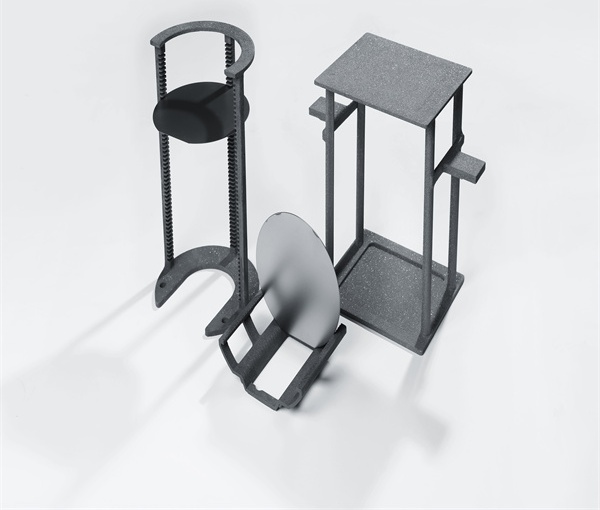
Understanding Material Demands in Rapid Thermal Processing (RTP)
Rapid Thermal Processing (RTP) is all about speed and precision. It heats semiconductor wafers to very high temperatures—sometimes over 1,000°C—in just a few seconds. The catch? The process needs to be clean, repeatable, and tightly controlled. That puts a lot of stress on the materials inside the chamber. It mainly affects the wafer supports, susceptors, and chamber linings.
Khoom SiC khov kho and graphite are common in RTP setups. They can take high heat without melting or bending. But thermal resistance isn’t the only thing that matters. Materials also need to have good thermal conductivity to spread heat evenly. If the heat isn't even across the wafer, the device parts can get messed up or stop working in later steps. Uneven heat leads to costly defects.
Contamination is another big concern. Any tiny particle that flakes off during processing can land on a wafer and ruin it. This is where graphite starts to show its limits. Graphite is good with heat, but it slowly breaks down in air or very clean places. That can introduce unwanted particles. Solid SiC, but much more chemically stable and less likely to shed contaminants.
There’s also the issue of durability. Graphite is lighter and easier to machine, so it’s often cheaper upfront. But it wears out faster, especially with repeated temperature cycling. Solid SiC is stronger and lasts longer, so you don’t need to replace it often or stop work as much.
In short, picking between solid SiC and graphite isn’t just about heat. It’s about how each one works during real use. If you run an RTP line, think about the heat, cleanliness, how long it lasts, and the full cost.
Solid SiC: Premium Performance for High-Purity RTP Environments
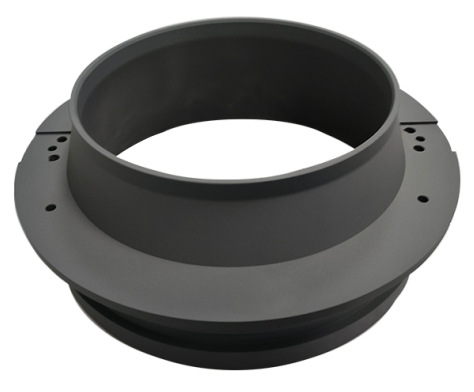
Solid silicon carbide (SiC) is often used in high-end RTP because it stays pure and steady. It can handle high heat without breaking or making dust. It also doesn’t react with most chemicals, which helps keep the chamber clean and protects the wafers.
In real-world production, this reliability matters. For example, fabs making advanced chips or power parts often use solid SiC parts. They need extra clean processing, so SiC is a good fit. Even a small trace of foreign material can cause device failure or reduce yield. Solid SiC can handle heat over 1000°C without oxidizing. That’s why it works well in RTP with oxygen or in vacuum setups.
Another plus is thermal performance. Solid SiC spreads heat well, which helps keep the wafer evenly heated. This avoids hot spots and makes the process more even—important for small parts and strict steps. Some machines even use SiC parts to heat faster and save time.
Durability is another area where solid SiC shines. It’s hard and dense, which makes it resistant to wear and thermal shock. Unlike coated graphite, solid SiC doesn’t break or peel over time. It lasts through many cycles, so you change parts less, stop the tool less, and spend less on fixes.
In short, solid SiC costs more at first, but it’s worth it for RTP jobs that need clean parts, long life, and steady heat.
Graphite: A Versatile and Cost-Effective Alternative
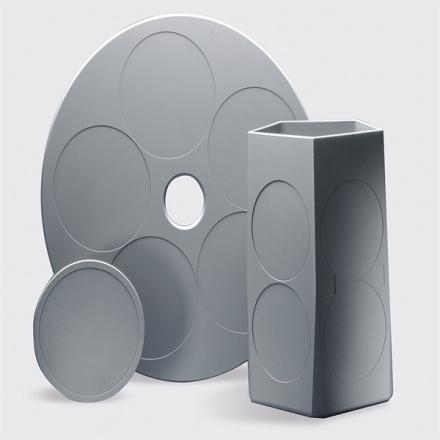
Graphite works well for RTP if the budget is small or the process is easier. It can take heat and is easy to cut into shape. It doesn’t crack when it heats up or cools down fast, so it's used for parts like wafer holders and heaters in basic jobs.
One of graphite’s biggest advantages is cost. Graphite costs less than solid SiC and is easier to shape. This makes it a good pick for testing lines, R&D, or setups that change often. You can cut it into new shapes fast, so it helps keep work going when changes are needed.
Graphite also has solid thermal performance. Graphite spreads heat well. It helps heat the wafer evenly. It also handles heating and cooling many times without breaking. But it’s not perfect. In places with a lot of oxygen or that need to stay very clean, graphite can slowly break down. And when that happens, it can make tiny dust. This dust can dirty the wafers. That’s a big problem if you’re making advanced chips or sensitive parts.
To make graphite last longer and stop dust, it's often coated with silicon carbide. The coating helps protect it but can wear out over time. So, it needs to be checked and changed often. Sometimes, the coating can peel off, which can be worse than using plain graphite.
Nyob rau hauv luv luv, graphite offers a practical balance between performance and price. It’s not as pure or strong as solid SiC, but for many RTP jobs—especially early or simple ones—it works well and costs less.
How to Choose: Application-Specific Recommendations from Semixlab
Choosing solid SiC or graphite isn’t only about which one sounds better. It’s about what your job needs. At Semixlab, we’ve worked with small groups starting out and big factories making top chips. What we’ve learned is that material choice should always be tied to the specific demands of your process.
If you're in clean or oxygen-rich setups, or making tiny chip parts, solid SiC is the better pick. It costs more at first but lasts longer and gives better results, saving money over time.
Graphite is good for easy RTP steps or when you're still fixing the process. It's cheap and fast to shape. One customer used coated graphite in a small setup to save money during testing. It let them stay flexible without sacrificing too much on performance.
In some cases, a hybrid approach makes the most sense. You might use solid SiC for the hottest, most important parts. Then, use graphite for parts where being very clean is not as important. The key is to map your material choices to your process needs, not just your budget.
Semixlab Technology Co., Ltd, tau tsim muaj xyoo 2018, yog ib lub tuam txhab ua lag luam siv thev naus laus zis uas tsom mus rau kev tshawb fawb thiab kev txhim kho, kev tsim khoom thiab kev muag khoom ntawm cov khoom siv siab heev. Nws yog ib lub tuam txhab tsim khoom siv semiconductor ua tus thawj coj hauv ntiaj teb.