Tsev> ua yeeb yam
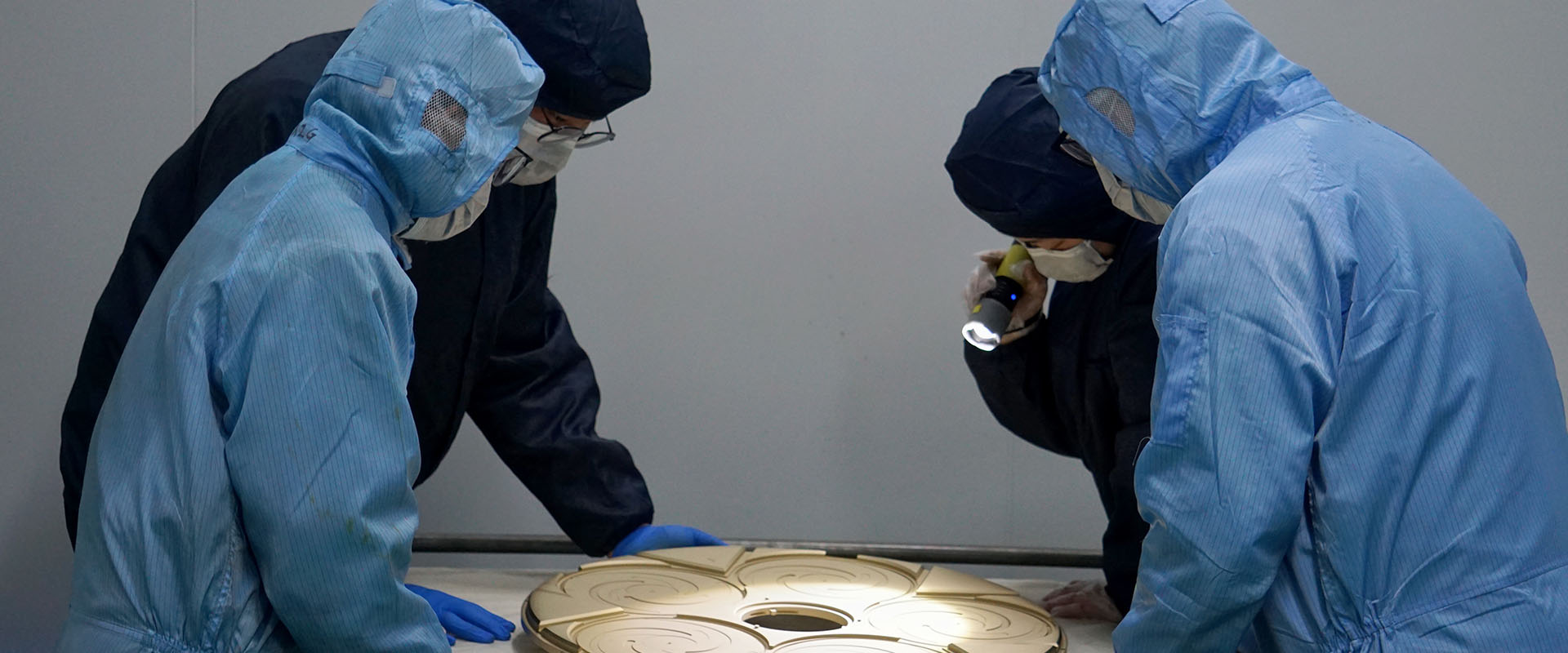
Striping photoresist is a critical process for fabricating small electronic devices. It is something that helps to ensure that these devices work effectively as well as get built properly. Knowing more information and details about photoresist stripping will allow the production process to be improved, and better devices can be obtained.
Photoresist stripping involves workers removing a special layer, called photoresist, from the semiconductor wafer after it has been shaped. This Semixlab kev tshem tawm photoresist step is quite critical since it cleans the wafer surface and removes remnants. Manufacturers strip the photoresist away so they can ensure the next steps, such as etching or adding subsequent layers, go well. And this helps make better semiconductor devices.
The photoresist removal will typically have a number of steps. First, the wafer goes into a machine known as a photoresist stripper. This machine provides a liquid that can remove the photoresist (D). The wafer remains in the liquid for a certain period of time to ensure the photoresist is completely removed. After etching, the wafer is washed with DI water to remove any remaining particles. The Semixlab resist stripping wafer is then dried and prepared for subsequent steps in the production process of the device.
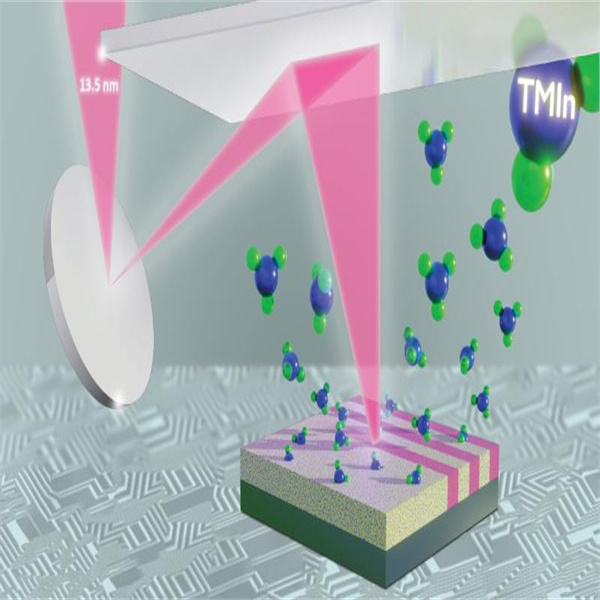
Several methods exist for stripping photoresist sensitive to the photoresist, according to the Semixlab kev tshem tawm photoresist particular needs of the devices to be fabricated. Some common methods are liquid chemicals, plasma (a special gas) and lasers. Both have their pluses and minuses, and the choice depends on the particular photoresist that you use and how fast you want to do it. Manufacturers can experiment with different approaches to see which one suits them best.
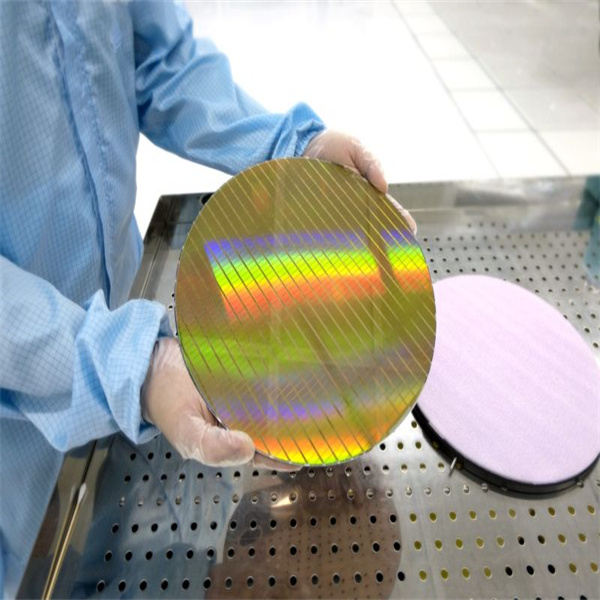
The removal of photoresist is very important in making high quality semiconductor devices. By stripping off the photoresist layer properly, the manufacturers can ensure that the patterns on the wafer are neat and clean. This Semixlab photoresist is necessary for the devices to function correctly, since extra bits will lead to problems. In addition, with the appropriate method, manufacturers can save the wafer from damage, enabling the production of more good devices.
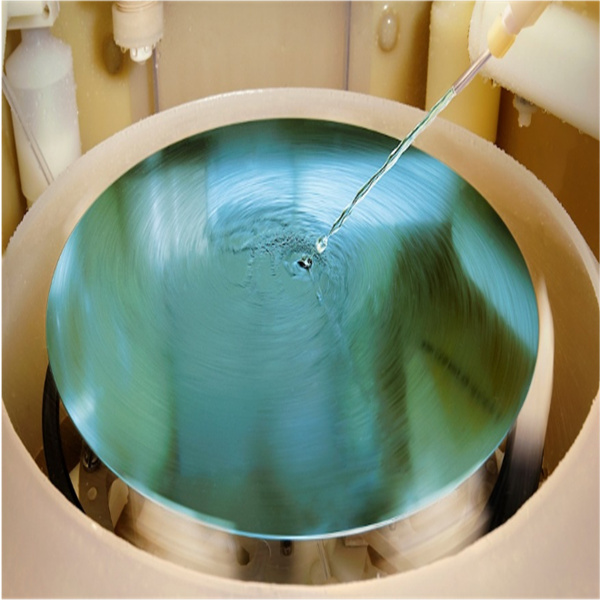
Lub Semixlab liquid photoresist followings are some useful suggestions to facilitate the efficient and reasonable photoresist stripping. First, choose the right tool for the task. Also, it's worth keeping track of how long the stripping's going on for and how hot it's getting, as both of these things can effect your results. Stripping equipment must be kept clean and in good condition to work effectively. In using these hints, the producer can make their production better and manufacture high-quality semiconductor devices.

 EN
EN  EN
EN DA
DA NL
NL FI
FI FR
FR DE
DE IT
IT JA
JA KO
KO NO
NO PL
PL PT
PT RO
RO RU
RU ES
ES SV
SV TL
TL ID
ID SK
SK UK
UK VI
VI TH
TH TR
TR FA
FA BE
BE LA
LA UZ
UZ


